
Housing finance mastery series
Understand why some housing projects move forward while others stall.
The Abundance Elected Network (AEN) ran this six-session series for Members from February to June 2026. Experts walked through how deals pencil, where hidden costs sit, and which local levers unlock more homes.

what did members walk away with?
Members practiced reading a real pro forma, so they can weigh a project as a yes, a no, or a “not yet” and ask better questions before a vote.

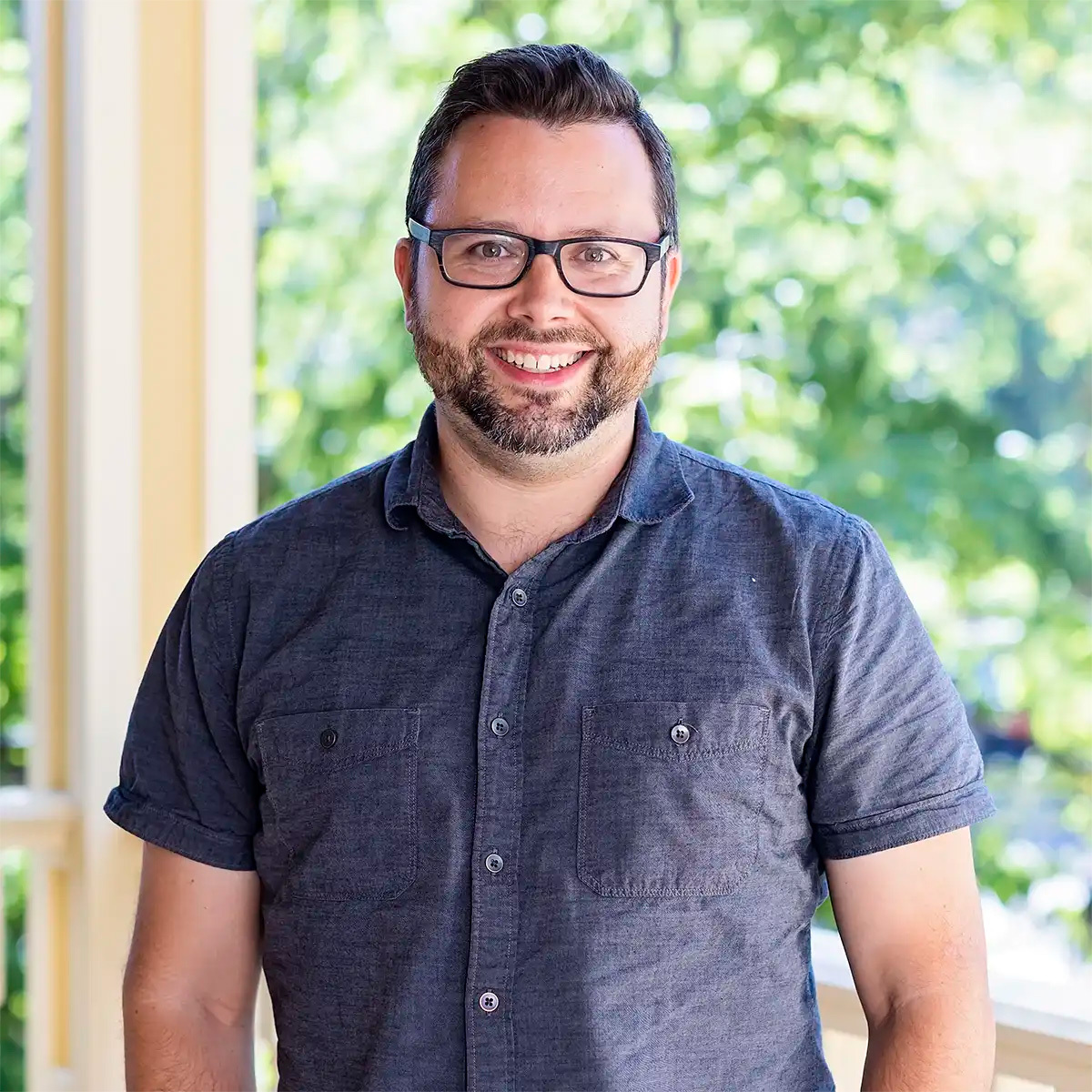
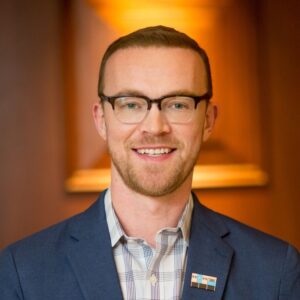
Nick Coehlo
who taught the six sessions?


This session taught members how multifamily housing is financed, how subsidies fit together, and where funding gaps emerge. Members stepped into the role of a homebuilder and worked through real trade-offs so they could better evaluate projects when they come across their desks.
Speaker Bio:
Jenifer Acosta specializes in historic preservation and re-urbanization. As a real estate developer, consultant, and faculty for the Incremental Development Alliance, Jenifer reimagines historic buildings, creates spaces and experiences that bring people back to downtown areas and encourage them to really live there. Her projects encompass a wide range of property types and uses in the Great Lakes Bay area of Michigan. The Legacy is a 55,000 square foot building with a restaurant/retail space, 2 commercial suites, and 26 residential units in a former historic bank building from the 1890s. The Times Lofts consist of 31 residential lofts in a 38,000 square foot building. Jenifer currently working on a 12 unit residential building on the edge of the downtown Bay City on an environmentally remediated infill site.


Pro formas drive nearly every housing decision, but most elected officials are asked to weigh in without ever being taught how to read them. This session broke down what’s actually in a pro forma, what makes a project viable, and what to look for when deciding whether to say yes, no, or “not yet.” Members practiced evaluating a real example so they could ask better questions and make faster calls.
Speaker Bio:
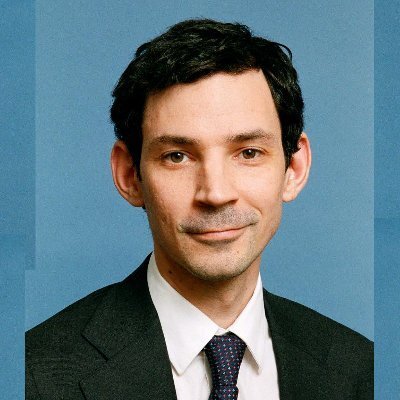
David Garcia is Policy Director at the Terner Center for Housing Innovation, where he studies what really drives housing costs and supply. He works closely with policymakers to translate data and research into practical housing solutions at the local and state levels.

When traditional financing falls short, cities still have options—but only if leaders understand them. This session covered practical approaches like public-private partnerships, public land strategies, and social housing models. The focus was on when these tools work, when they don’t, and how to use them responsibly.
Speaker Bio:
Paul Williams is the CEO of the Center for Public Enterprise, where he works with local governments to design and launch publicly led housing solutions. He helps elected officials understand how cities can play a direct role in building and financing housing—using practical, real-world models that deliver homes at lower cost. Williams served on Mayor Zohran Mamdani’s Transition Committee on Housing.

Parking requirements are often treated as a side issue, but they can be the difference between a project moving forward or dying on the vine.
This session showed how parking reform can lower costs, increase feasibility, and support housing goals—without compromising community outcomes.
Speaker Bio:
Daniel Herriges is Executive Director of the Parking Reform Network and a leading voice on how parking requirements affect housing costs. He helps local leaders understand how outdated parking rules quietly make housing more expensive—and what smarter policies can do instead.


Even smart reforms can fail if they’re poorly explained. This session focused on how to talk about parking reform with residents, business owners, and other stakeholders—using clear, grounded messaging that builds legitimacy and reduces backlash.
Speaker Bio:
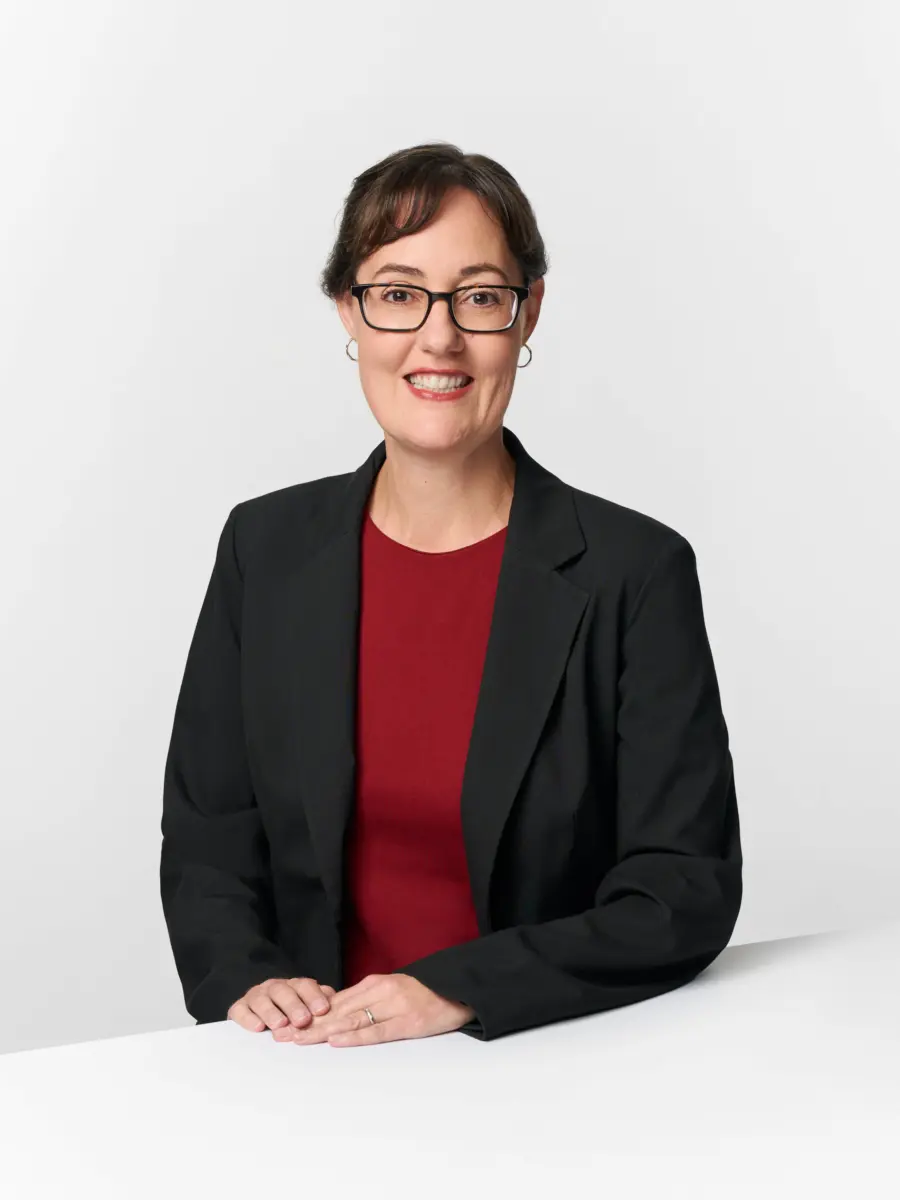
Anna Fahey is a Senior Researcher at Sightline Institute, where she focuses on housing finance, affordability, and policy reform. Her work helps local officials see how funding tools and policy choices impact whether housing projects can actually get built.
Understanding Inclusionary Zoning
How inclusionary zoning affects housing finance—and what to consider before adopting it.
Inclusionary zoning can be a powerful tool, but it can also slow production if it’s poorly designed. This session explained how inclusionary zoning impacts project economics, when it works best, and what alternatives exist for creating affordable housing without stopping development.
Speaker Bio: Dr. Jenny Schuetz
Dr. Jenny Schuetz leads Arnold Ventures’ Infrastructure portfolio for Housing. In this role, she oversees AV’s efforts to identify and enact policies that can successfully expand housing supply and make it easier to build more and different types of housing.
Jenny came to Arnold Ventures with more than 25 years of experience in housing policy as a professor, economist, and author. She is a prolific writer on housing markets and authored the book Fixer Upper: How to Repair America’s Broken Housing Systems.
Speaker Bio: Shane Phillips
Shane Phillips is a researcher, public speaker, and consultant on housing affordability. He manages the Randall Lewis Housing Initiative at the UCLA Lewis Center for Regional Policy Studies as a researcher and policy analyst, and he co-hosts the UCLA Housing Voice Podcast, a biweekly show that translates emerging research for a non-academic audience of policymakers, practitioners, and advocates. He’s also the author of The Affordable City, which advocates for prioritizing Supply, Stability, and Subsidies and offers more than 50 recommendations for advancing those goals.
Who earned the certificate?
Those who completed all six sessions earned a digital badge and the Housing Finance Mastery Certificate:
- Nick Coelho, Council President, Lynnwood, WA
- Mark Dinan, Council Member, East Palo Alto, CA
- John Hines, Council Member, Tacoma, WA
- Tonia Lediju, Council Member, Vallejo, CA
- Robert Leutwyler, Council Member, Lynnwood, WA
- Kim Lund, Mayor, Bellingham, WA
- Jordan Morales, Council Member, Boise, ID
- Tamara Pogue, Commissioner, Summit County, CO
- Brooks Schandelmeier, Alder, Annapolis, MD
- Ryan Walters, Mayor, Anacortes, WA
- Natalya Zernitskaya, Council Member, Santa Monica, CA
How do I get access to programs like this?